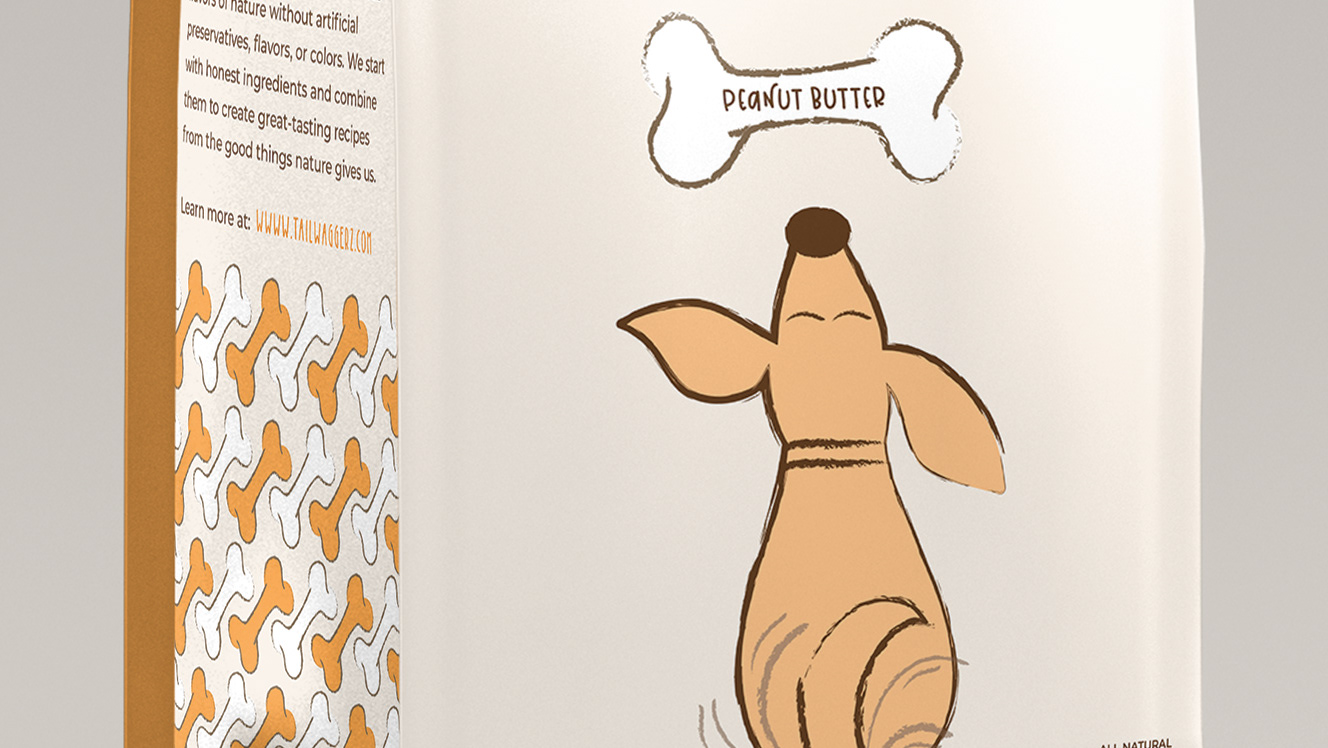
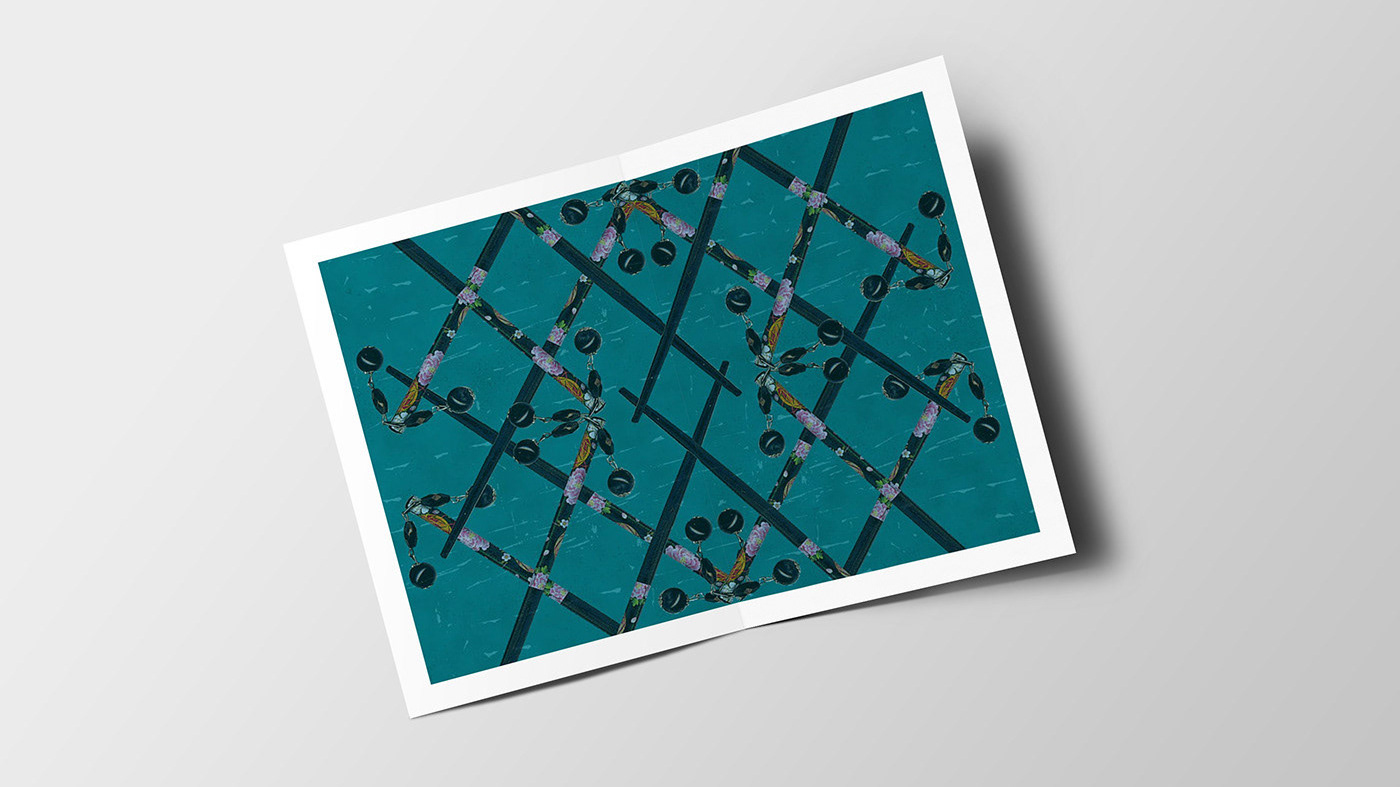
For our final project, we were asked to select a natural object (plant or animal) and develop a contour line drawing or abstraction. A contour line describes or defines edges, while abstraction means to take away as much extraneous information as possible, and reduce the object to its simplest form. Once our natural object was drawn we incorporated type, texture, and color to communicate information through design mock-ups.
Abstraction
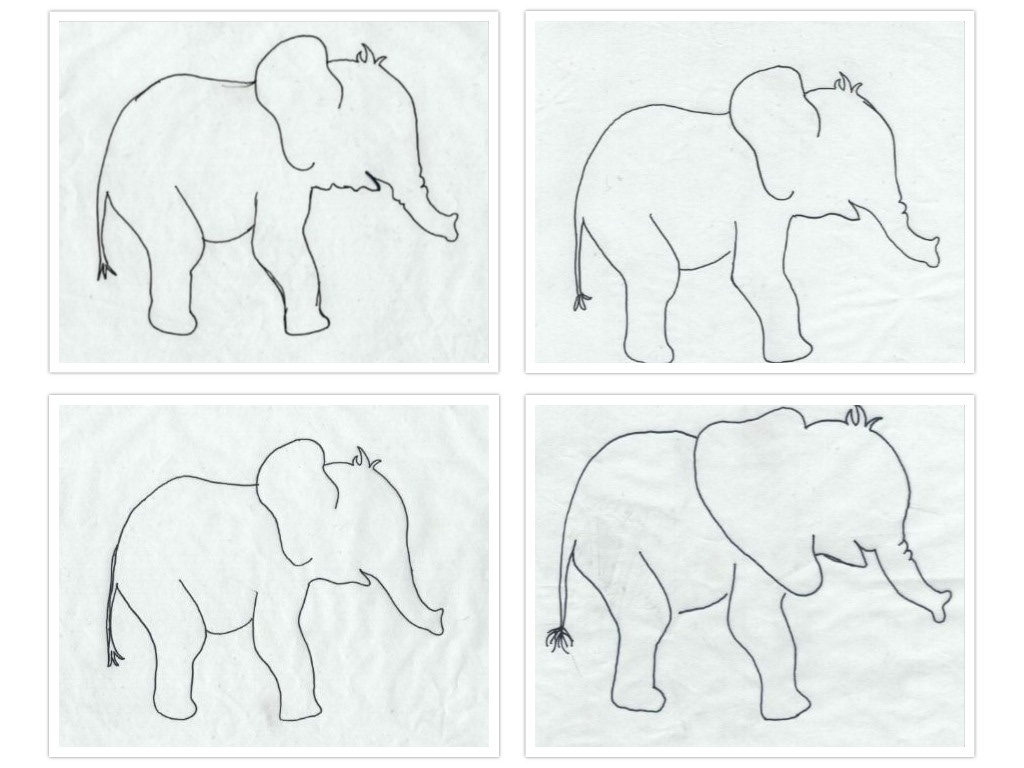
early stage contour line drawings
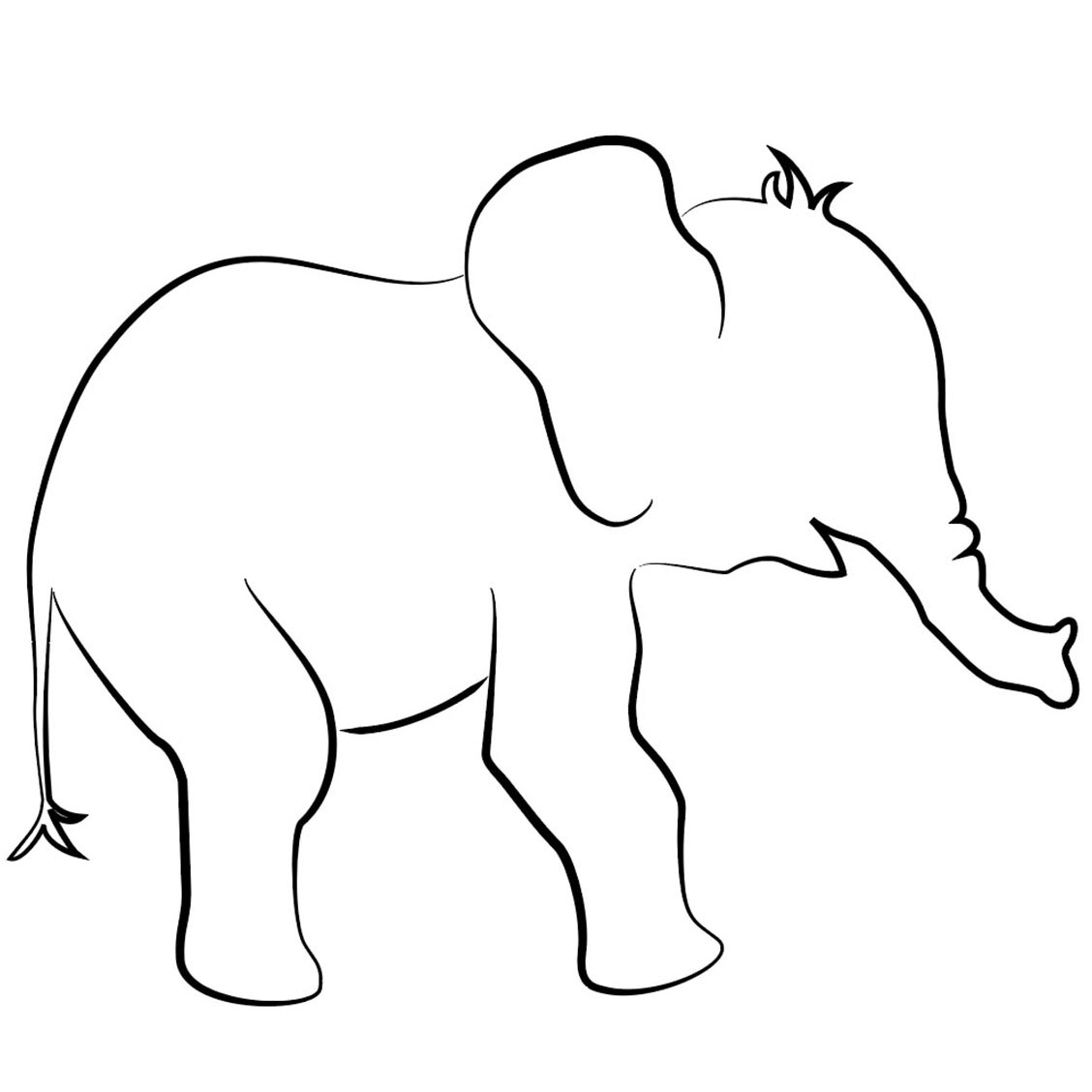
final contour line drawing
I knew I wanted to choose a natural object that had meaning to me. I thought about selecting a cactus since I grew up in Arizona, but ultimately I chose an elephant which has been my favorite animal since I was in elementary school. I have always been fascinated with this animal and owned a large collection of elephants when I was younger. The collection varied from stuffed animals to laundry baskets and porcelain figurines.
I saw an example of an elephant's head as an abstract representation during the overview of this project. I knew by the tusks that it was supposed to be an interpretation of an African elephant. This example pushed me to design something that could potentially be a little more difficult. I decided to develop a contour drawing of an Asian baby elephant's profile.
It was challenging to identify characteristics that were unique to an elephant calf. A couple of distinct features I noticed in my research was the extra skin they carried on their trunks and the abundant amount of hair they had, especially on top of their head. I determined that although it wasn't absolutely necessary, some detail on the trunk of the elephant made it more interesting.
TYPE
We were asked to pick five adjectives/keywords that would describe our natural object's essence. During my research I found several different words that described adult elephants (strong, powerful, wise, etc), but I couldn't find any words or religious/cultural meanings for baby elephants. This led me to research adjectives used to describe actual babies. I was able to find fifteen words that described the spirit of my design. In the end, the five words I came up with were: adorable, endearing, gentle, innocent, and tender. I took my top three adjectives and wrote them out in the five typefaces that were available for this project.
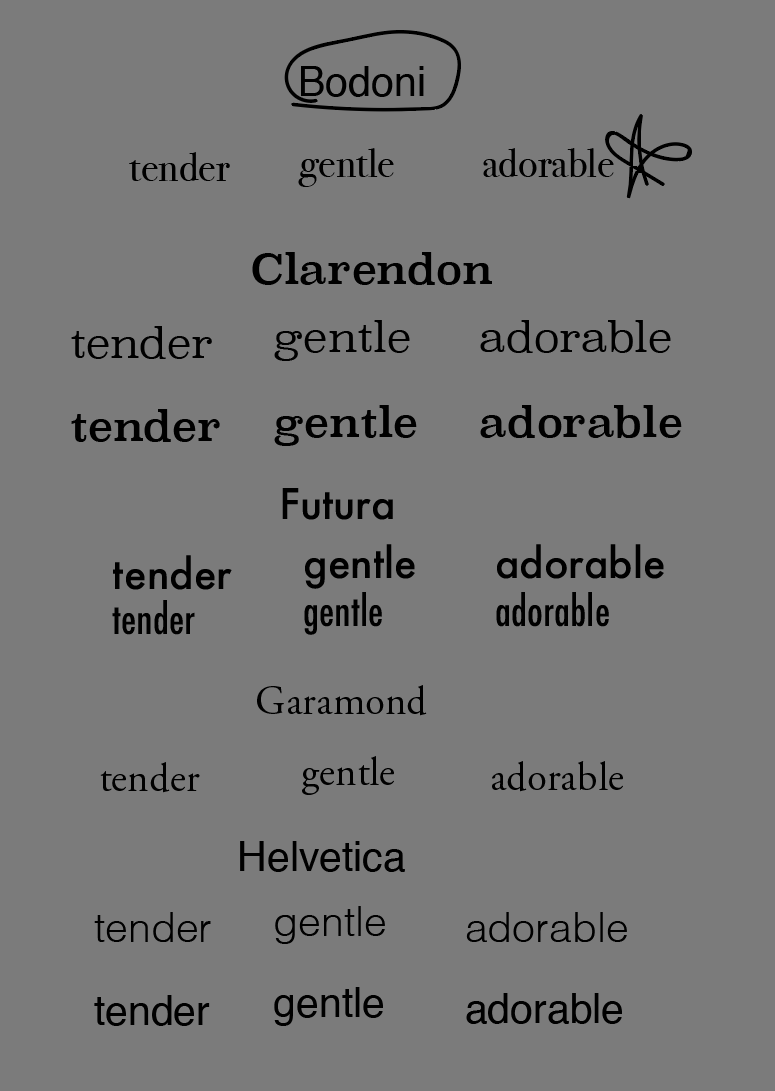
top three adjectives and typefaces
After seeing these three options in the typefaces available, I realized that the word tender could be used to describe a form of animal meat, which could send the wrong message. I was left with gentle or adorable, and leaning heavily toward the word gentle. While examining these two words, I realized that the "a" in the Bodoni typeface curved and somewhat resembled the curve in an elephant's trunk, especially the baby elephant's trunk in my contour drawing. That small detail solidified the word adorable. I chose to use all lower case letters because it helps to convey the element of a baby.
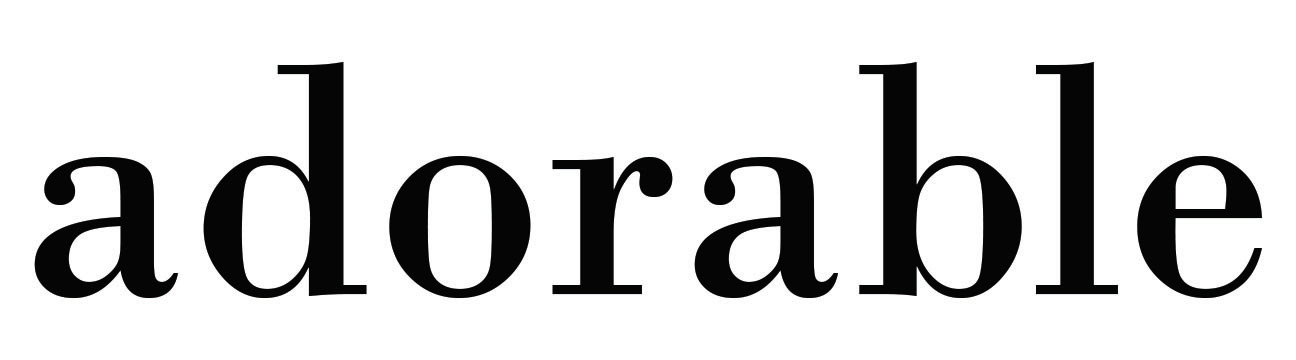
final word and typeface
Texture & Color
During this phase of the project we needed to identify textures that could convey the essence of our drawing and our descriptive word. Since my word was adorable and my natural object was a baby elephant, I was immediately drawn to baby nursery textures like Chenille, Crochet, and Minky. All of these fabrics have very different textures, but they bring a feeling of warmth and softness.
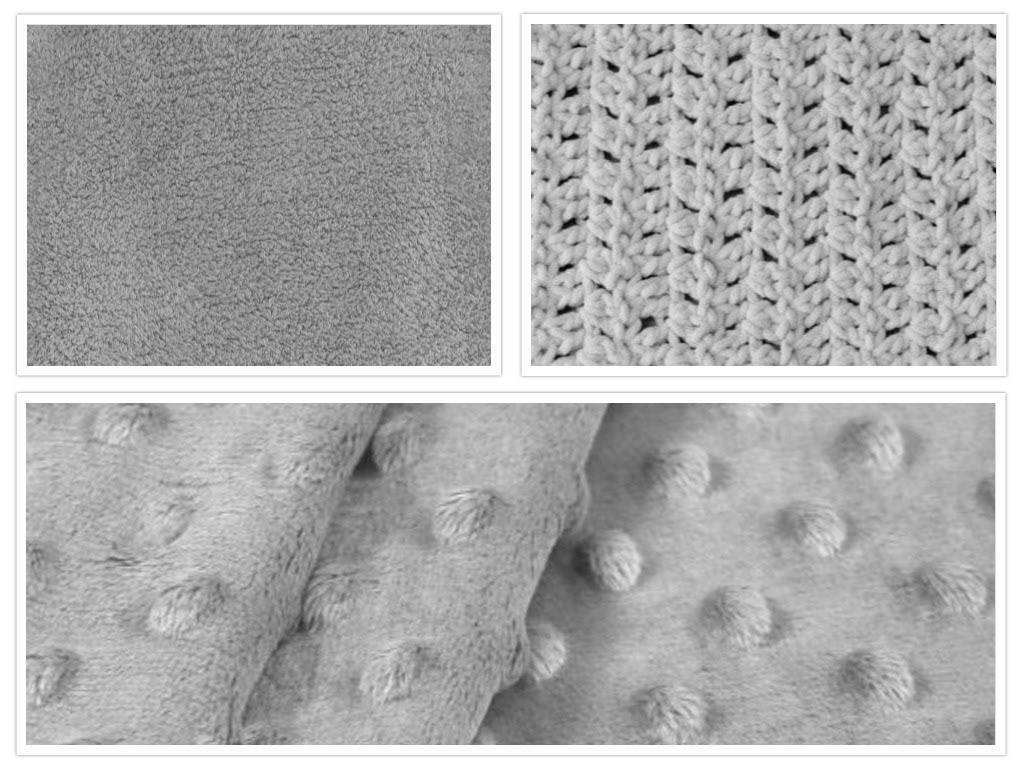
texture ideas (Chenille, Crochet, Minky)
I ultimately decided to choose Muslin fabric for my texture because it had wrinkles which looked very similar to elephant skin, but it also looks soft. This type of fabric is also very popular to use for swaddling babies. I wanted to choose a gender neutral color, so I went with a light green/blue color.
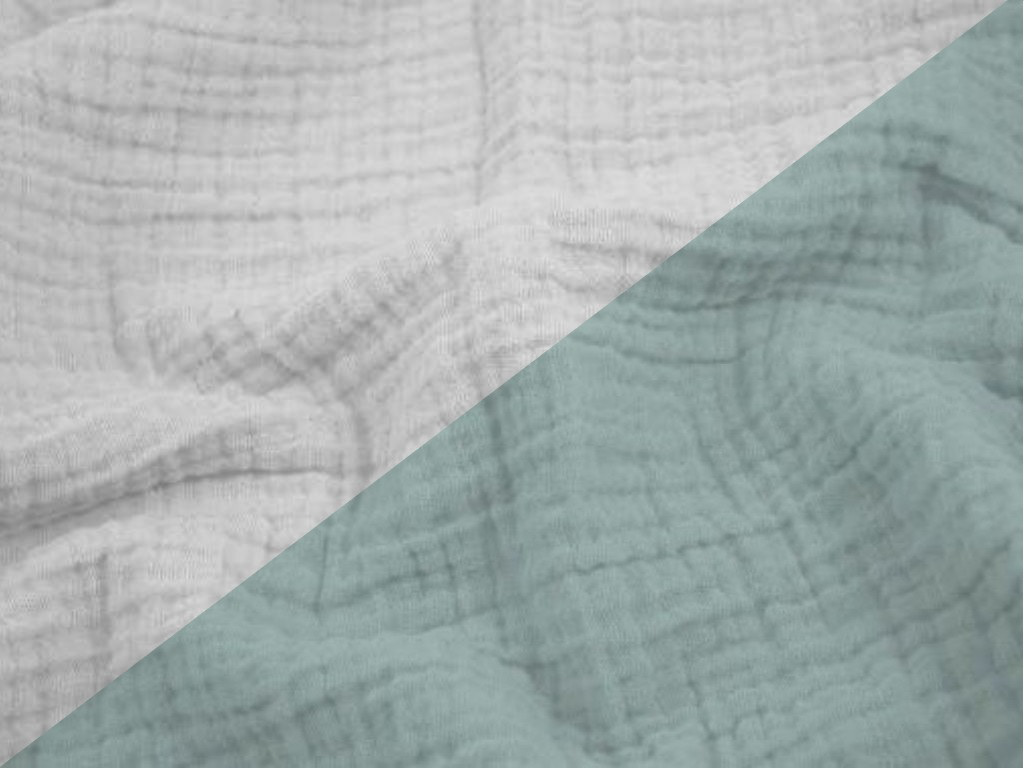
chosen texture and color
Mock-ups
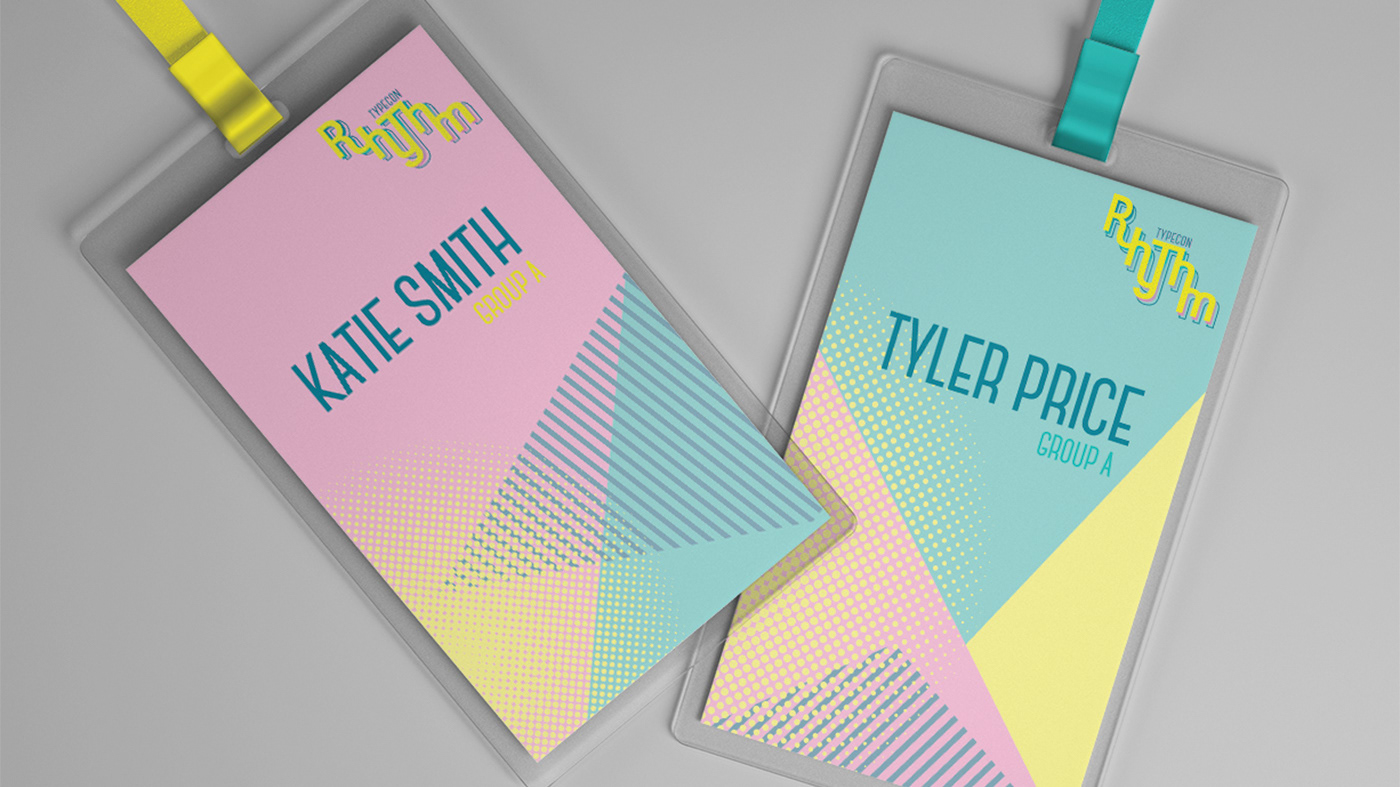
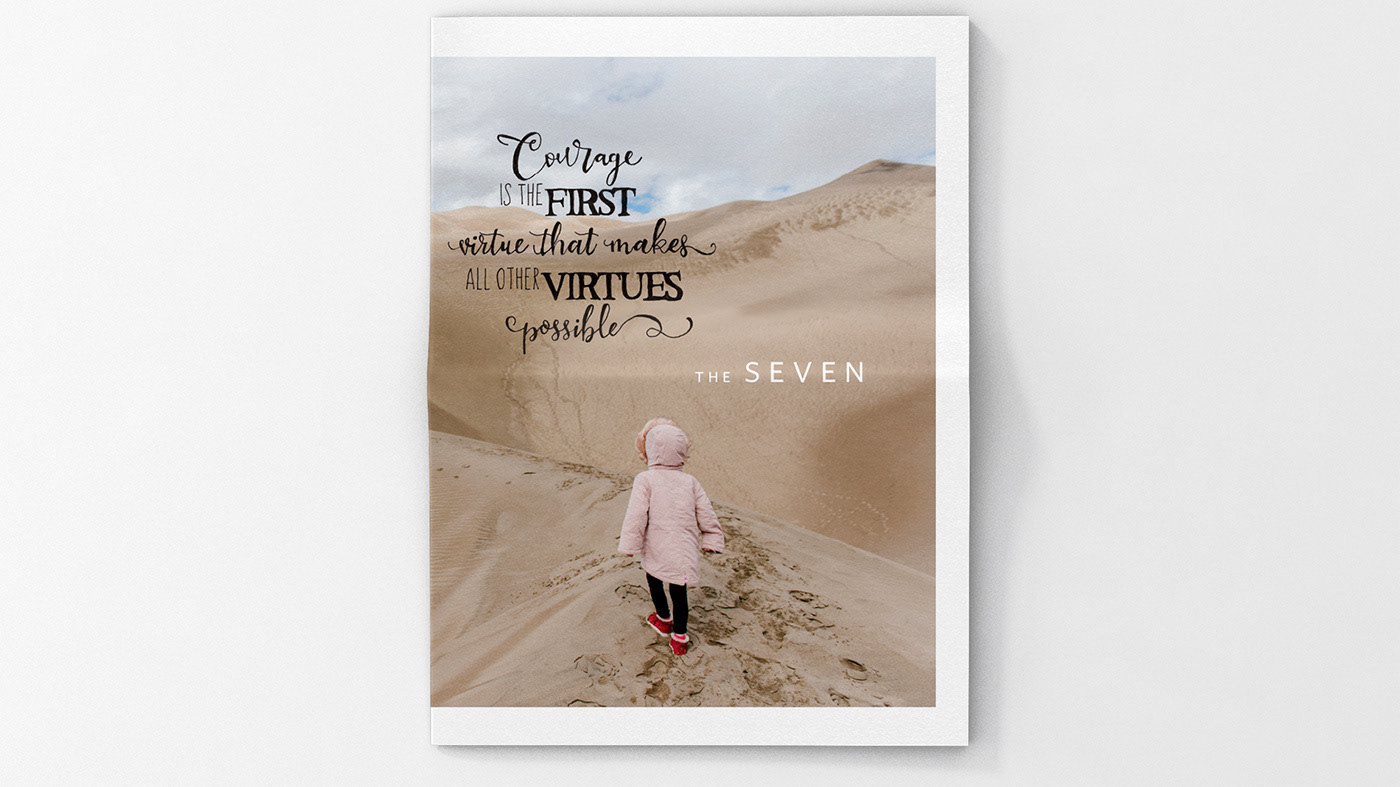
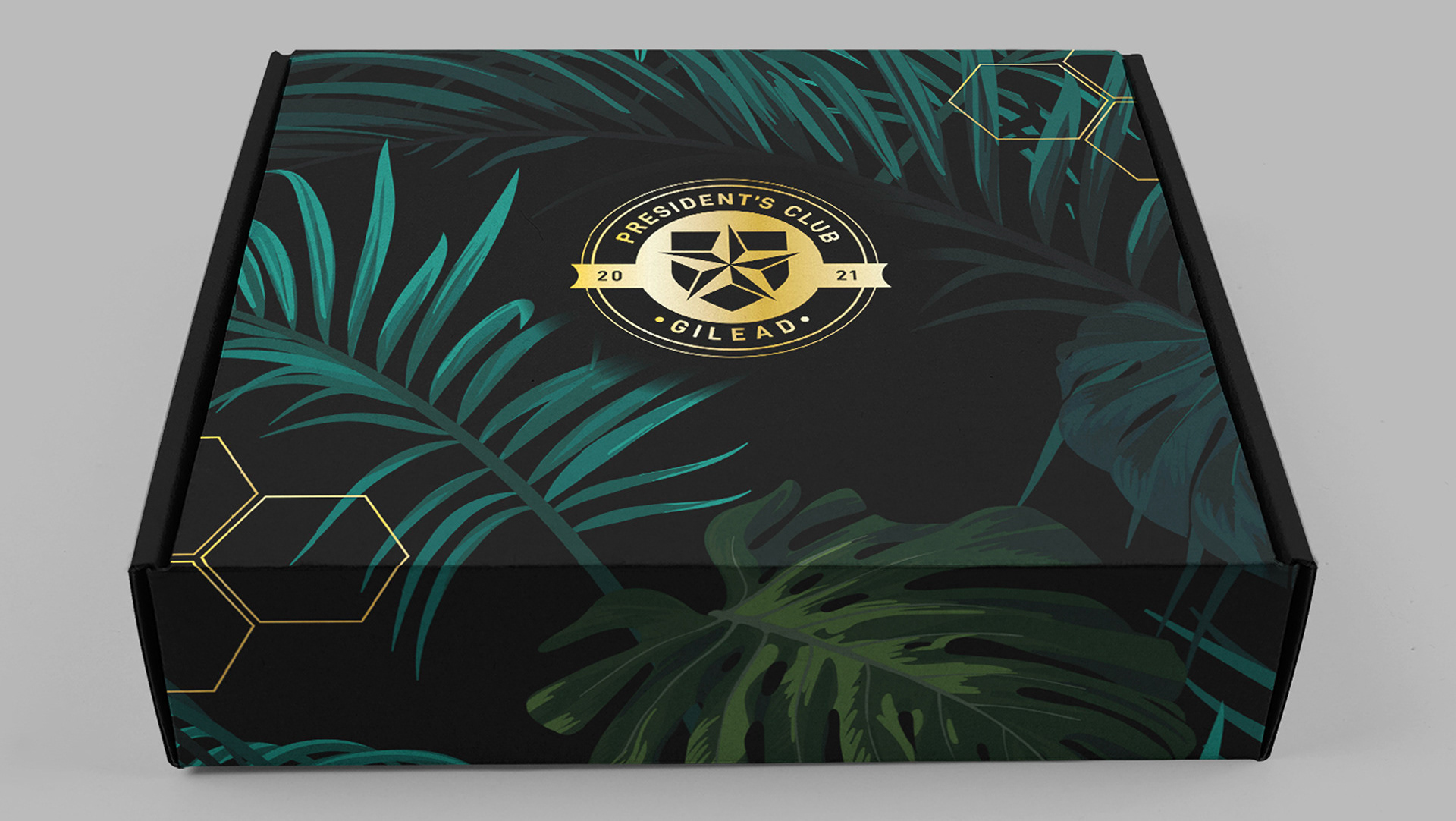
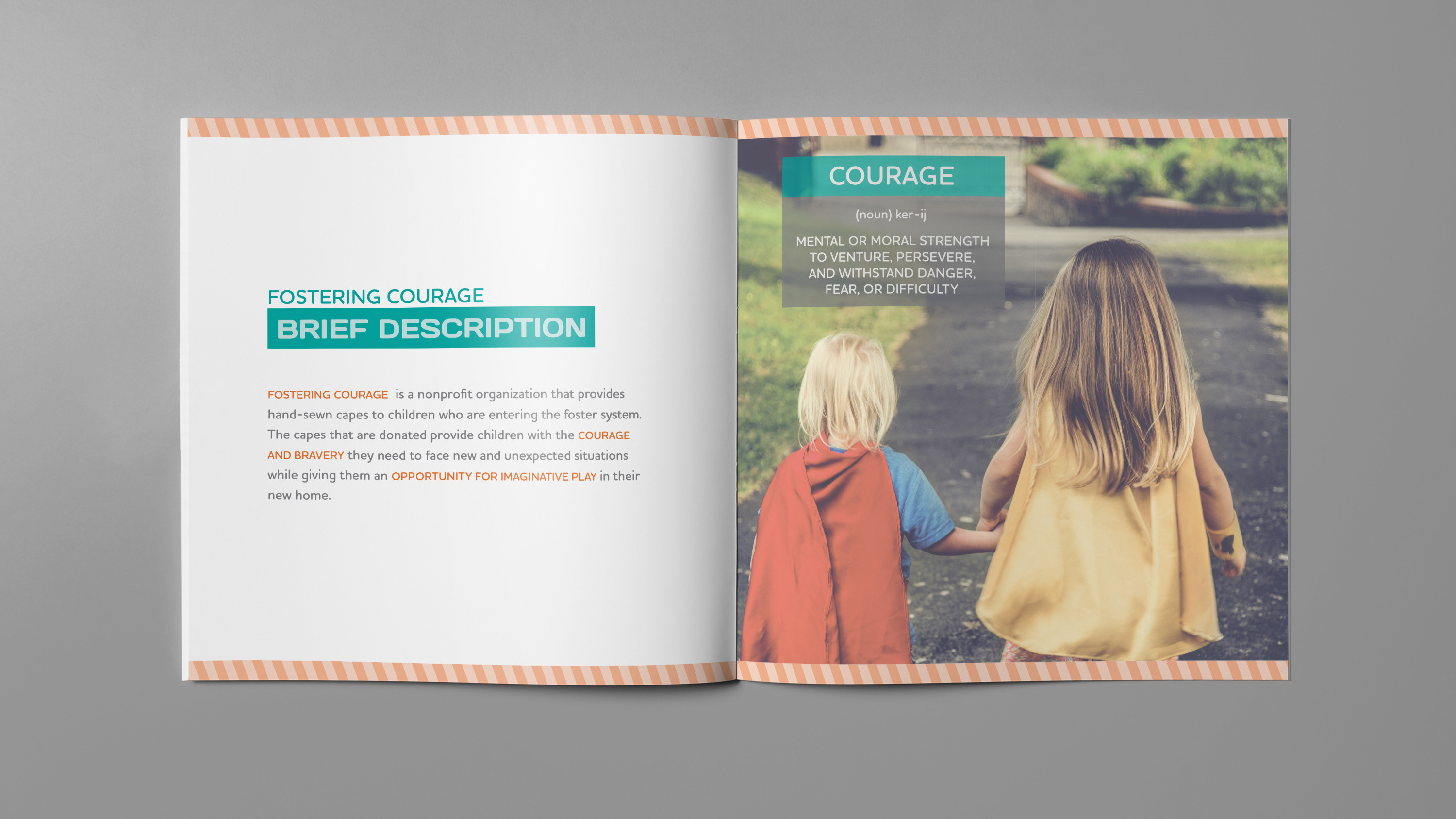
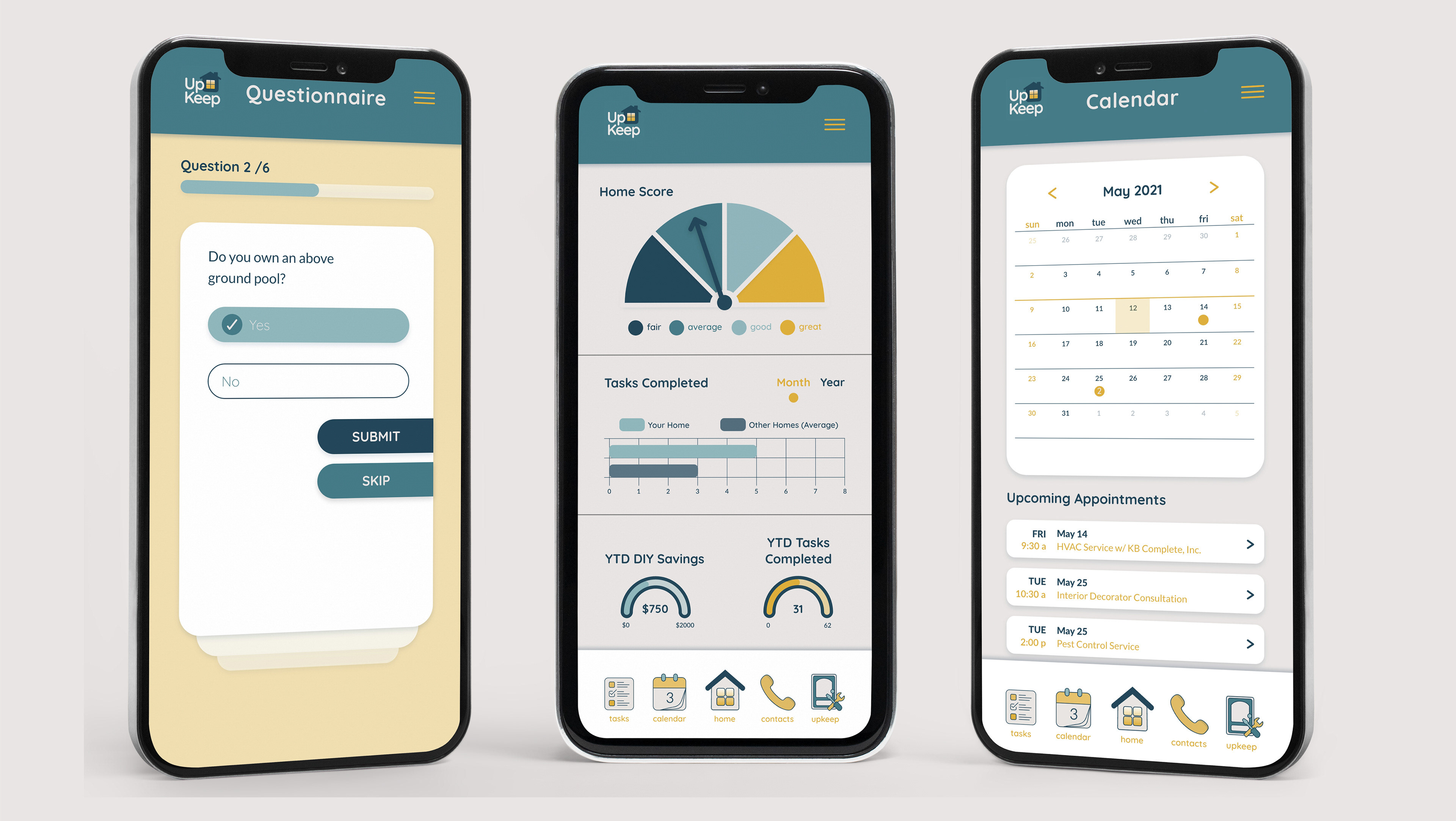
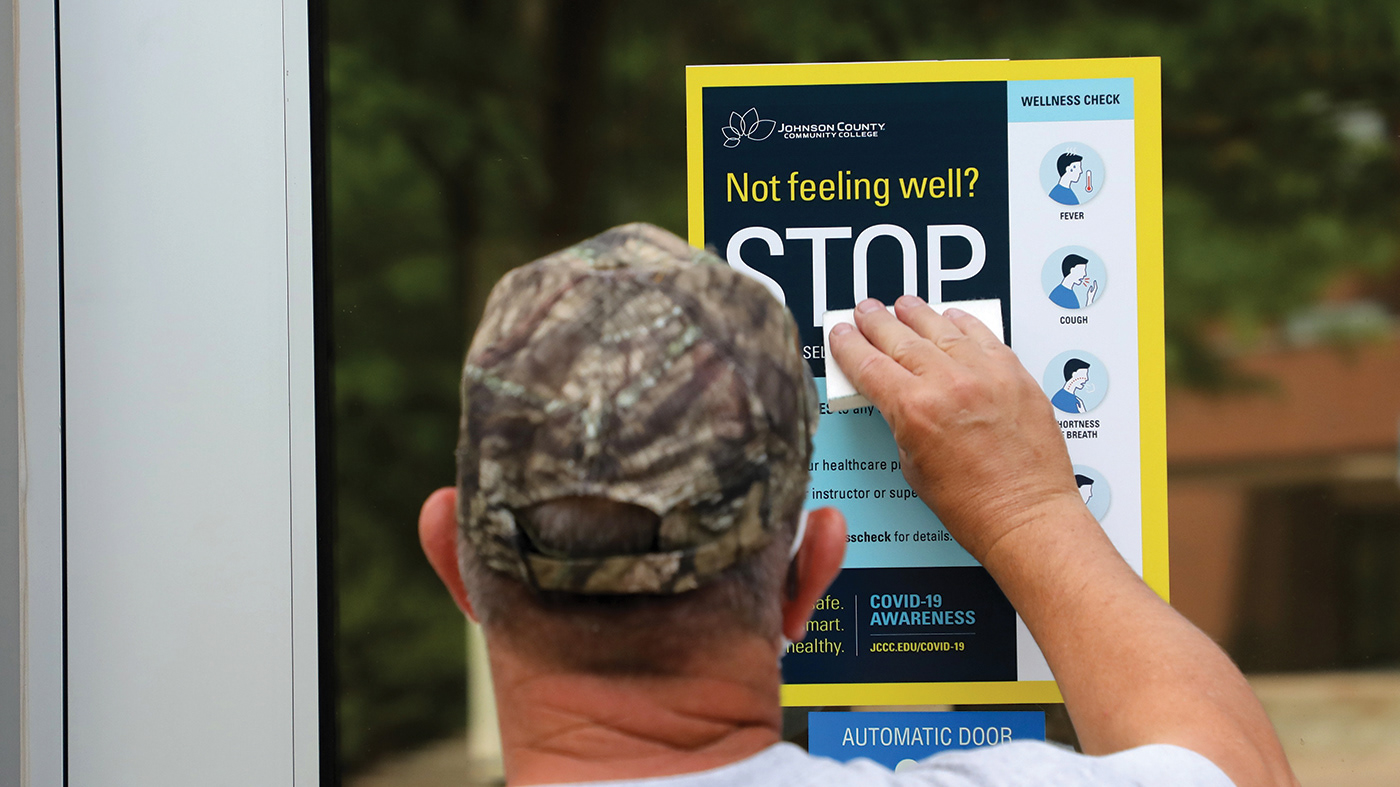
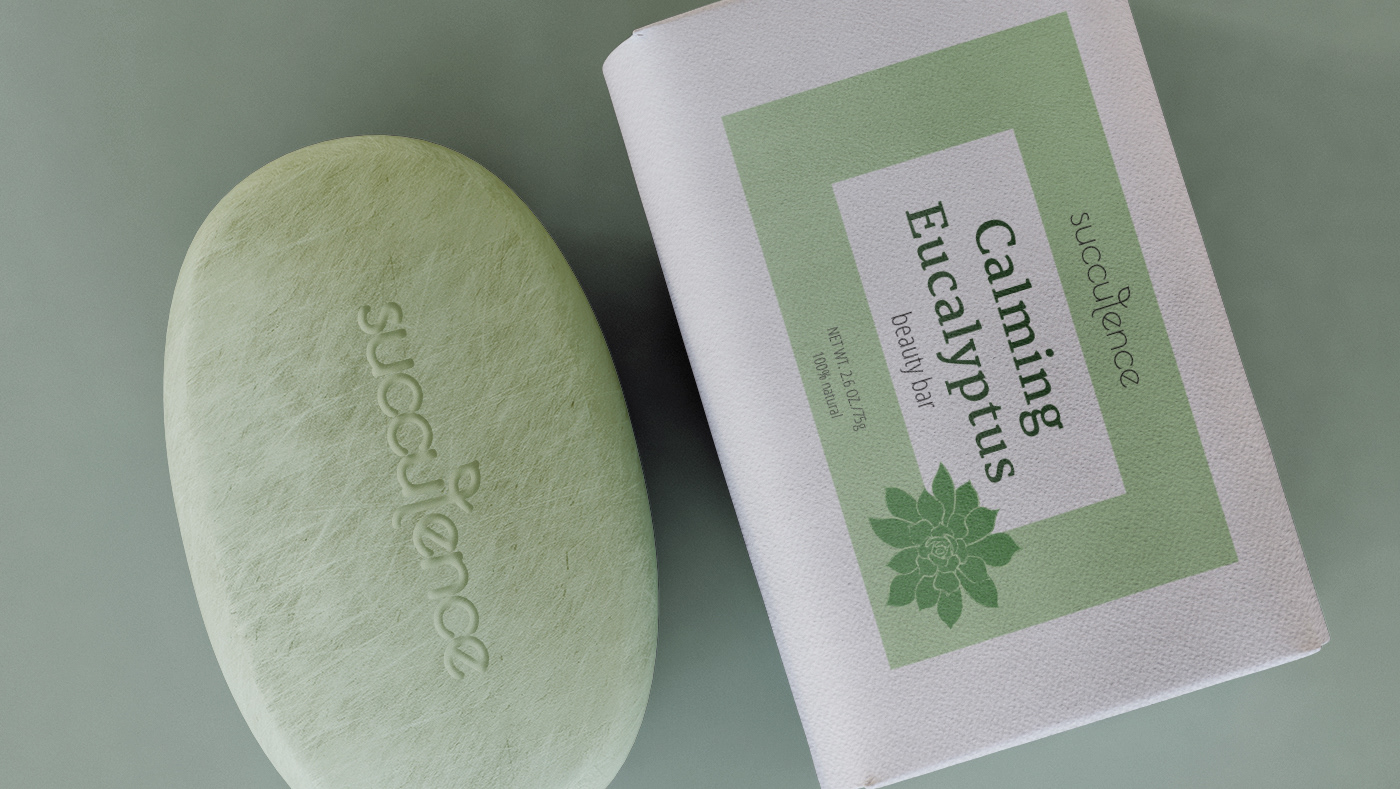
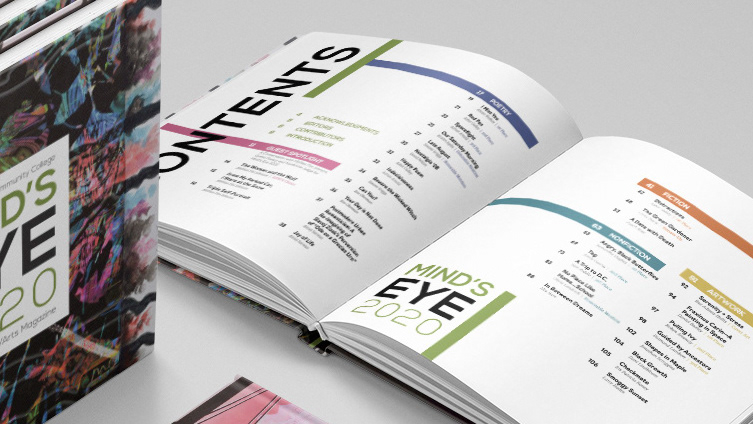
For the last portion of our project we were asked to create designs using Photoshop mock-ups. It was important in this step that we stayed true to the essence of our natural object and incorporated linear, typographic and textural elements for each design. We were asked to create at least three different and unique designs for application.
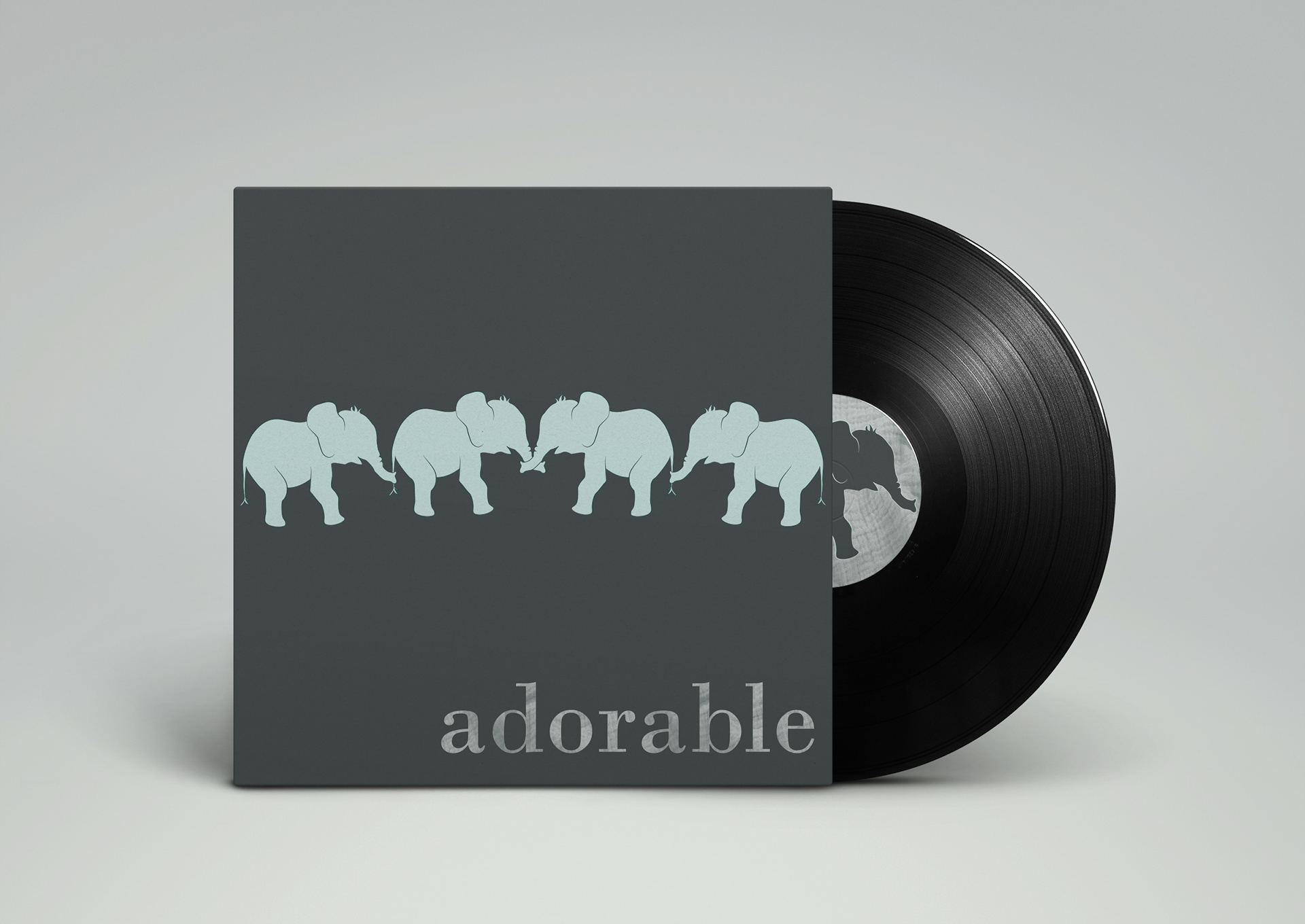
final critique mock-up
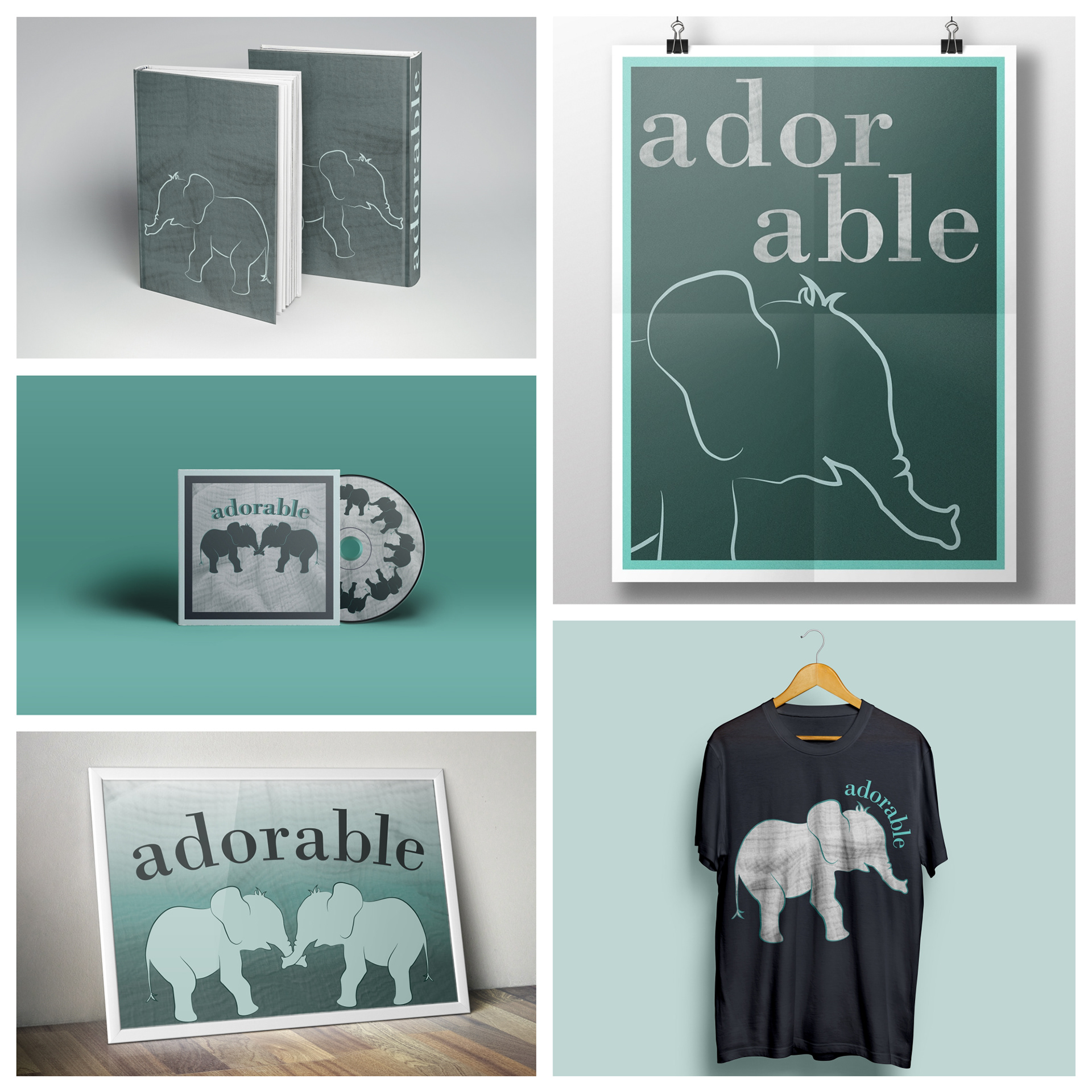
additional mock-up designs
If you would like more information regarding my research, design process, and additional mock-ups, please follow this link.